Trying to choose between Park Shore’s glittering beachfront towers and its serene bayfront marinas? Both give you outstanding waterfront living in Naples, but they deliver very different daily experiences. In this guide, you’ll get a clear, side-by-side look at views, access, boating, HOA realities, risk, and a practical checklist to verify the details before you buy. Let’s dive in.
Park Shore at a glance
Park Shore sits between the Gulf of Mexico and the protected waterways of Naples Bay in Collier County. The neighborhood blends single-family homes with mid- to high-rise condos, plus a few commercial corridors for shops, restaurants, and marinas. Beachfront properties typically front Gulf Shore Boulevard and the beach strand, while bayfront properties line Naples Bay or the interior canals closer to marina and dining activity.
Beachfront vs bayfront: key differences
Views and visual quality
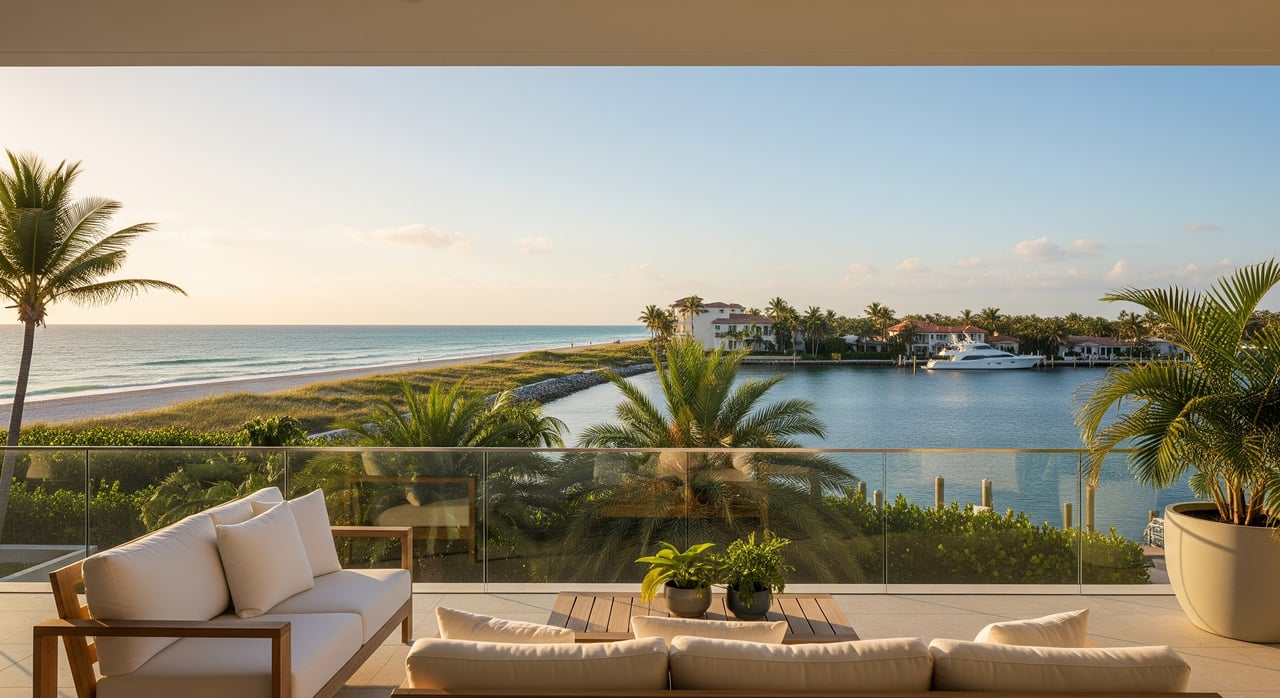
- Beachfront: Expect open Gulf horizons, wide sunset vistas, and big-sky views. Sightlines depend on your floor height, building setbacks, nearby towers, and dune vegetation.
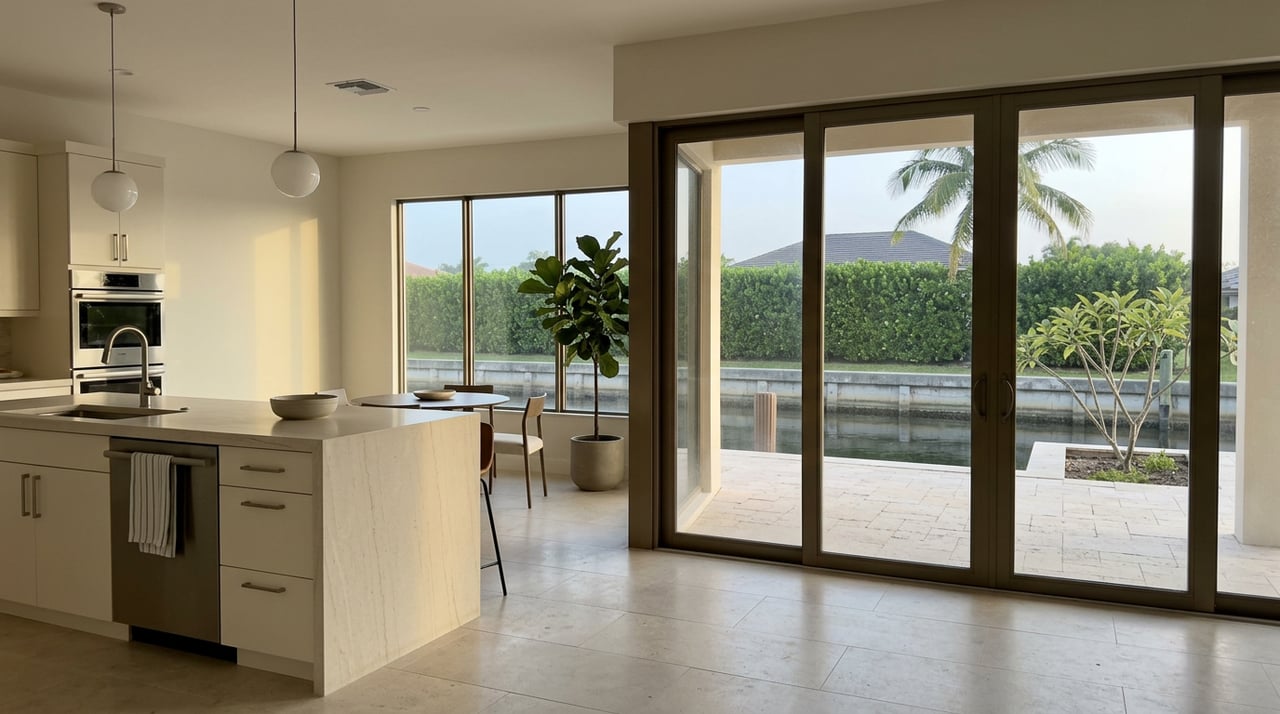
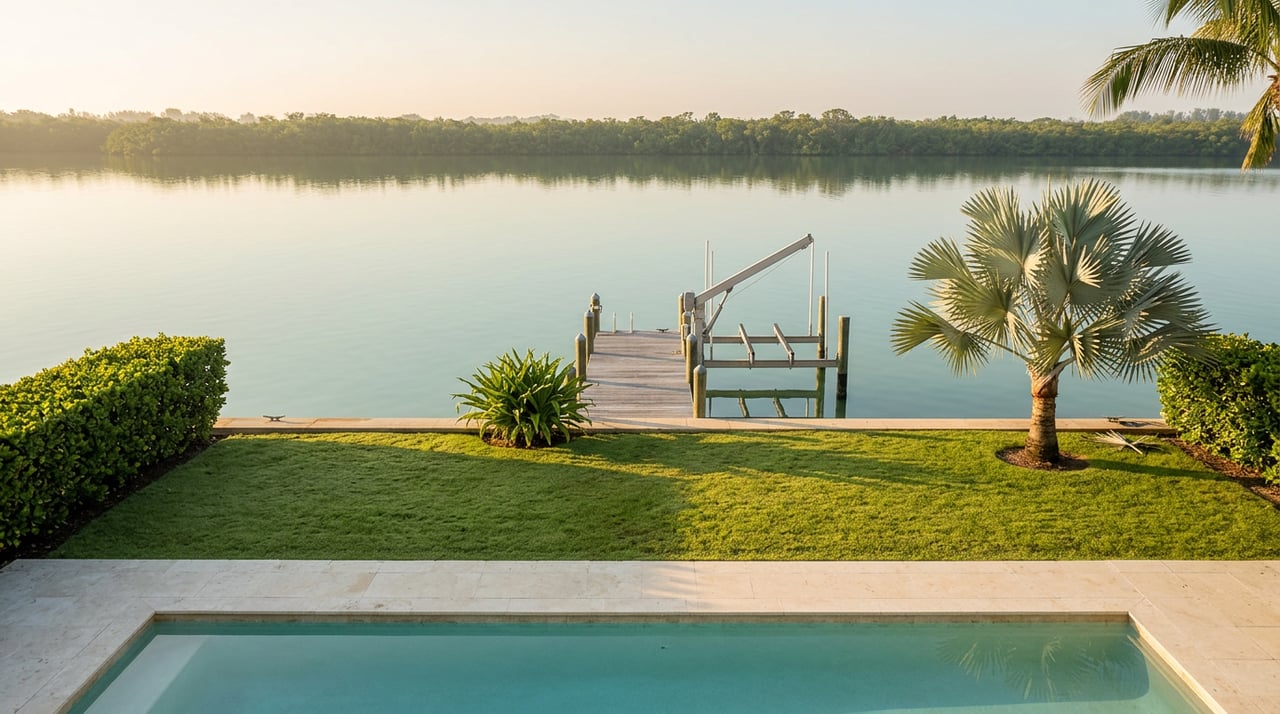
- Bayfront: Look for layered views of waterways, boats, mangroves, and evening marina lights. Orientation, docks, trees, and neighboring buildings shape privacy and focal points.
Beach and recreation access
- Beachfront: You usually have immediate walk-out access for swimming, sunbathing, and sunset walks. High season can bring more pedestrian activity and maintenance on the sand and dunes.
- Bayfront: You will not have direct Gulf swim access, but you gain calm water for paddle sports like kayaking and SUP. Plan to drive or boat to a Gulf beach when you want sand time.
Boating and dockage
- Beachfront: Direct boating is limited unless a parcel also connects to a canal with a dock, which is less common. Most owners use nearby marinas or public launches.
- Bayfront: This is the strength. Many properties offer dockage or private slips with direct navigation to Naples Bay and the Gulf. Verify if a slip is deeded or assigned, size and LOA limits, fixed vs floating dock, bridge clearances, channel depth at low tide, and HOA rules on leasing or guest boats. Some associations and marinas use waitlists.
Noise and activity profile
- Beachfront: You may hear beachgoers, beach maintenance, and seasonal events by day. Evenings tend to be quieter, though sunset gatherings can add brief bursts of activity.
- Bayfront: Expect engine noise from boat traffic, plus marina and waterfront dining energy, especially in season. Canal-front stretches farther from commercial nodes usually feel calmer.
Market and lifestyle fit
- Beachfront: Best if you prize direct beach access, west-facing sunsets, and a beach-centric routine.
- Bayfront: Best if boating is a priority, you enjoy calmer water recreation, and you want proximity to marinas and restaurants. Lower floors can feel more private than similar floors on the beach.
Cost, maintenance, and HOA realities
Fees and reserves
Marina-equipped bayfront associations often carry higher operating and reserve needs due to docks, slips, and seawalls. Beachfront buildings can also run high costs when exterior maintenance, beach access management, or aging structures come into play. Review reserve studies, budgets, recent financials, and meeting minutes to understand upcoming projects like roofs, elevators, docks, or seawalls.
Rules that shape lifestyle
Check the association documents for short-term rental rules, pet policies, parking allocations, guest dock use, and party or noise policies. For bayfront buyers, confirm the slip assignment process, guest slip rules, and any restrictions on overnight or leased dockage. Governance matters too, so note whether a professional manager is in place and how transparent and active the board is.
Maintenance exposures
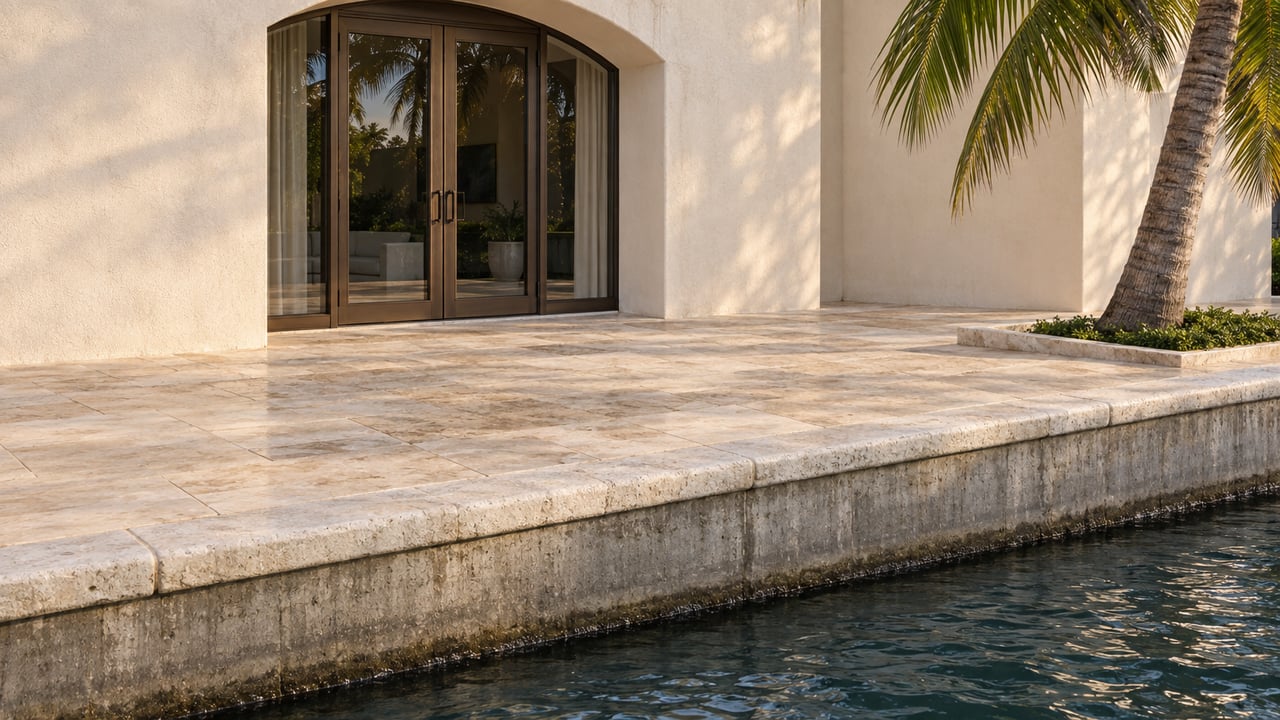
Beachfront buildings face heavy salt and sand exposure that speeds wear on balconies, railings, and sliding doors. Bayfront owners should plan for dock and seawall upkeep and watch for biological fouling on marine structures. In both cases, consistent maintenance and strong reserves are key.
Risk, insurance, and resilience in Park Shore
Both beachfront and bayfront properties can face storm surge during tropical events. The degree of risk depends on elevation, local topography, seawalls, and how close you are to open Gulf channels or canal openings. Your flood insurance costs are influenced by FEMA flood maps and your elevation relative to base flood elevation, so obtain an elevation certificate when evaluating a property.
Coastal wind exposure makes wind mitigation features important. Look for impact glass, shutters, roof tie-downs, and a building’s wind-resistance rating. In Florida’s insurance market, master condo policies, windstorm deductibles, and assessment structures vary by association. Clarify how deductibles are allocated and what coverage you must carry to protect against hurricane-related assessments. For the long term, consider shoreline dynamics like erosion and beach renourishment, plus local resilience planning that may shape public access and protective projects.
Which lifestyle fits you?
- Prioritize beachfront if you want walk-out sand access, iconic sunset horizons, and a beach-first routine.
- Prioritize bayfront if you want your boat at the ready, sheltered water recreation, and evening marina ambiance nearby.
- In either case, balance your choice against HOA rules and fees, insurance exposure, maintenance obligations, and your comfort with seasonal beach or boating activity.
A buyer’s verification checklist
- Association documents and finances
- Request the declaration, bylaws, CC&Rs, 12 to 24 months of minutes, reserve study, current budget, 3 years of financials, insurance certificates, and details on any special assessments or litigation.
- Bayfront-specific confirmations
- Confirm deeded vs assigned slip, slip length and width, fixed vs floating docks, bridge clearances, no-wake zones, channel depth and maintenance schedule, and marina waitlist policies.
- Beachfront-specific confirmations
- Verify private vs public beach access, easements that allow public crossing, and timing of any planned dune restoration projects.
- Physical inspections
- Order structural, roof, and envelope inspections with a focus on salt corrosion, balconies, railings, and window and door seals. For bayfront, hire a marine contractor to assess seawall and dock permits, condition, and service history.
- Flood and insurance
- Obtain an elevation certificate and sample quotes for required coverages. Confirm the association’s master policy, windstorm deductibles, and how hurricane assessments would be shared.
- Zoning and development
- Check city and county planning for proposed buildings or marina projects that could affect views, traffic, or noise, including height limits or variance filings.
- Lifestyle due diligence
- Visit at multiple times and seasons to gauge noise, traffic, and parking. If you boat, time your route to open water at different tides.
- Practical living rules
- Ask about pet limitations, leasing minimums and registration, guest parking, and shared amenity hours.
How we guide your decision
You deserve more than a quick tour. With a boutique, concierge approach, Gulf Coast Luxury Group curates side-by-side showings so you can test view corridors, listen for seasonal activity, and understand access details from the ground. Our in-house legal counsel reviews association documents, slip agreements, and insurance structures to help reduce risk and avoid surprises. We coordinate the right local professionals for inspections, insurance quoting, and marina insights so you can move forward with clarity and confidence.
Ready to compare specific buildings and homes in Park Shore and see how they live day to day? Connect with the Gulf Coast Luxury Group to Schedule a Private Concierge Consultation.
FAQs
Are Park Shore beachfront condos guaranteed sunset views?
- No. You need a west-facing unit without blocking towers, so verify sightlines from the exact floor and stack before you buy.
Does a Park Shore bayfront dock guarantee Gulf access?
- Not always. Confirm channel depth at low tide, bridge clearances, and whether the slip is deeded and usable for your boat’s dimensions.
Which side usually has higher HOA fees in Park Shore?
- It varies. Bayfront marinas often raise operating costs, but older beachfront buildings with heavy exterior work can be costly too, so review each association’s financials.
How does flood insurance differ for beachfront vs bayfront in Park Shore?
- Premiums depend on FEMA flood zones and your elevation; association master policies and deductibles also differ, so obtain an elevation certificate and multiple quotes.
Is beachfront or bayfront noisier in Park Shore?
- Beachfront often has more pedestrian and beach activity, while bayfront areas near marinas and restaurants have boat and dining noise; timing and location are decisive.
What inspections are essential for a Park Shore bayfront property?
- Along with standard structural inspections, hire a marine contractor to assess dock and seawall permits, condition, maintenance history, and compliance.
What should I verify about a Park Shore boat slip before closing?
- Confirm deeded vs assigned status, size and LOA limits, fixed vs floating configuration, guest policies, leasing rules, and any waitlists or usage restrictions.
How can I preview lifestyle differences before making an offer in Park Shore?
- Visit at different times and seasons, test parking and beach access or boat routes, and stand on the exact unit line to experience views and ambient noise firsthand.