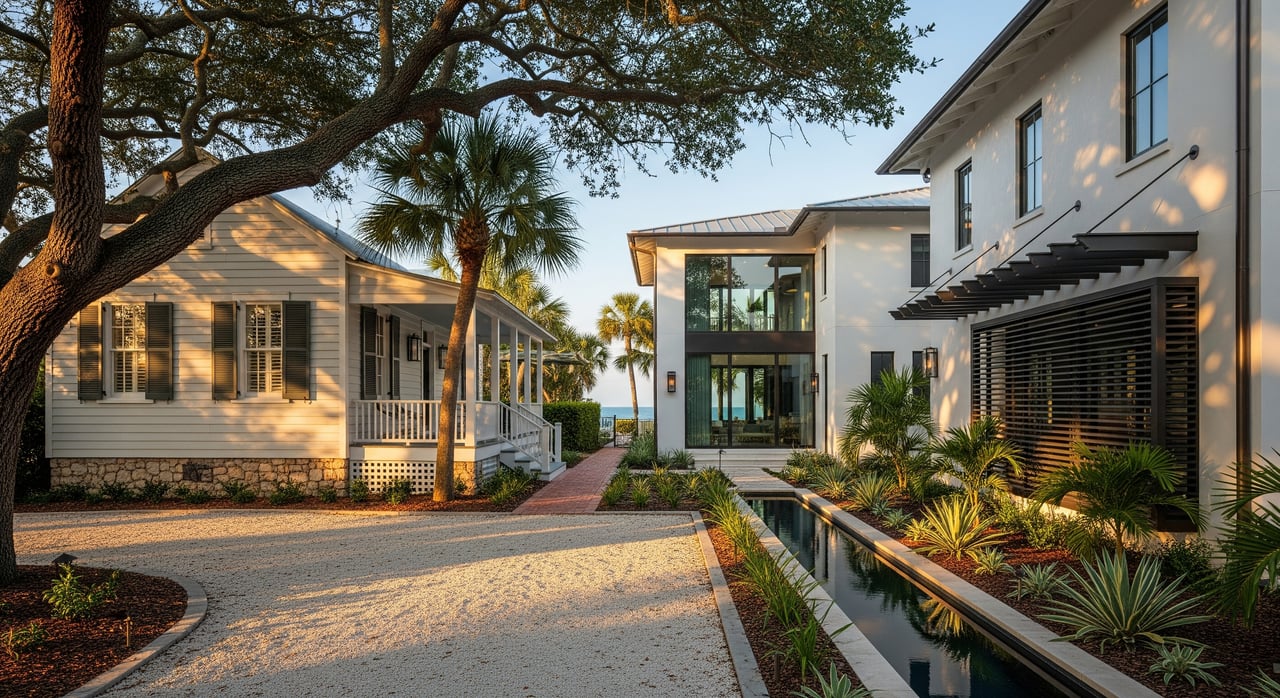
Deciding on Olde Naples New vs Historic Homes
January 1, 2026
January 1, 2026
Which Olde Naples home style fits your life best: a sun‑washed historic cottage or a crisp new build with modern systems? If you love walkable streets, beach access, and refined architecture, you have great options in this coveted neighborhood. This guide compares lifestyle, costs, risk, and resale so you can choose with confidence. Let’s dive in.
Olde Naples is compact, highly walkable, and steps from the Gulf, dining, galleries, and parks. Streets mix preserved cottages, renovated homes, and newer infill, creating a distinct coastal village feel. Lot sizes are often small or irregular, and mature landscaping adds to the charm.
Demand is steady because location and walkability are rare. Properties often trade at premium per‑square‑foot prices compared to more suburban areas nearby. For current pricing, days on market, and inventory trends, review the Naples Area Board of REALTORS market reports.
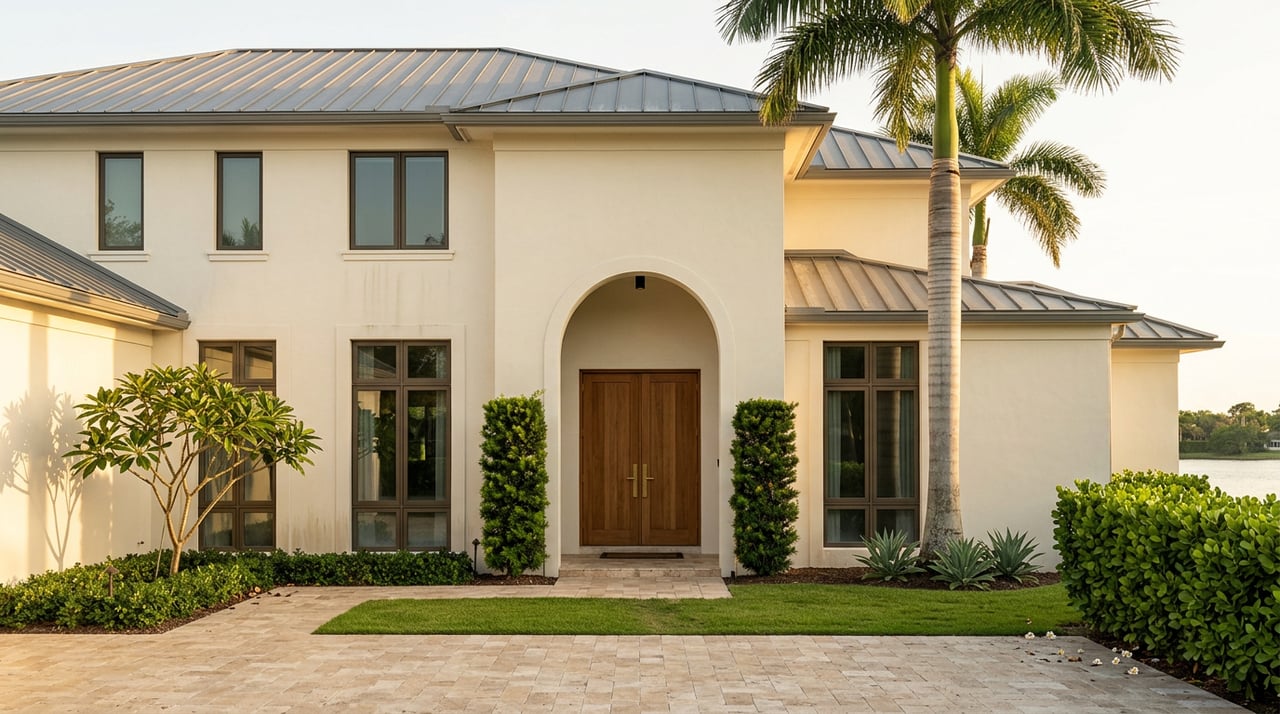
If you want maximum say in layout, room sizes, and materials, a new build delivers. You can create a modern plan, integrate advanced systems, and specify coastal‑durable finishes. You also set orientation for light, privacy, and indoor‑outdoor flow.
On smaller Olde Naples lots, scale matters. Zoning setbacks, height limits, and lot coverage guide what is possible. A large new home may feel out of place if surrounding properties are cottage scale, so study nearby infill for precedent before you commit.
Preserved cottages offer period details, human‑scale massing, and an easy fit on leafy streets. Many already have mature landscaping and curb appeal you cannot fast‑track. The tradeoff is flexibility. Structural walls, rooflines, and window patterns can limit major changes, and exterior alterations may be reviewed if the property is designated historic. To understand what may be protected, consult the Florida Division of Historical Resources and local preservation resources.
New roofing, impact windows, HVAC, and moisture control usually mean fewer near‑term repairs. Warranties can reduce early risk. Long‑term durability still depends on coastal‑appropriate materials. Salt air, humidity, and sun exposure can wear down finishes if not specified for marine environments.
Older homes often use robust materials and have details worth preserving, but maintenance can be higher. Structural repairs, termite or fungal remediation, electrical and plumbing updates, and window or foundation corrections are common in coastal cottages. Always order a comprehensive inspection and a wood‑destroying organism report to avoid surprises.
New construction in Florida must meet the current Florida Building Code. It is easier to incorporate high‑efficiency HVAC, insulation, air sealing, LED lighting, and solar‑ready planning. Newer homes can also be designed above the local Base Flood Elevation with flood‑resistant construction, which can reduce damage risk. Verify flood zones and BFE through the FEMA Flood Map Service Center.
Smaller footprints can use less energy, and many cottages benefit from shaded porches and cross ventilation. Still, older envelopes may be leaky and under‑insulated. Consider targeted upgrades using U.S. Department of Energy guidance and ENERGY STAR resources for insulation, windows, and right‑sized HVAC. Some programs may offer incentives for energy improvements.
When a design complies with code and zoning, the permitting path is clear, but coastal requirements can extend timelines. Elevated foundations, pilings, and engineered systems add complexity. Weather, contractor capacity, and hurricane season can affect sequencing.
Smaller, targeted renovations can move faster. Major remodels that alter structure or require systems upgrades can trigger broader code compliance. If a property has historic designation or falls within a local preservation overlay, expect additional review steps. Floodplain rules governed by FEMA and enforced locally will influence scope for both new builds and substantial renovations.
Turnkey features, open layouts, and energy efficiency attract buyers who want a modern coastal lifestyle. In a design‑sensitive neighborhood like Olde Naples, size and fit still matter. Overbuilding relative to lot size can limit your buyer pool.
Authenticity, scale, and walkable charm create strong emotional appeal. Intact cottages are scarce, which can drive demand. Some buyers will discount for maintenance risk or smaller floor plans, so thoughtful updates that preserve character can improve marketability.
Use this simple framework to compare two specific properties side by side.
Quick scoring tip: assign weights to what matters most to you, such as design control, walkability, and resale. Then score each property in those categories and compare totals.
Do your diligence early to protect budget and timeline.
The right specialists make a complex decision feel simple.
Whether you lean new or historic, your best choice balances lifestyle, risk, and long‑term value. With concierge guidance, neighborhood insight, and legal rigor, you can move forward confidently in Olde Naples. Start your next step with the Gulf Coast Luxury Group for a Private Concierge Consultation.
October 22, 2026
October 15, 2026
October 8, 2026
October 1, 2026
September 24, 2026
September 17, 2026
September 10, 2026
September 3, 2026
August 27, 2026
Your journey is not just about transactions; it’s about securing your future and protecting your interests, and we’re here to make that happen. Contact us today!