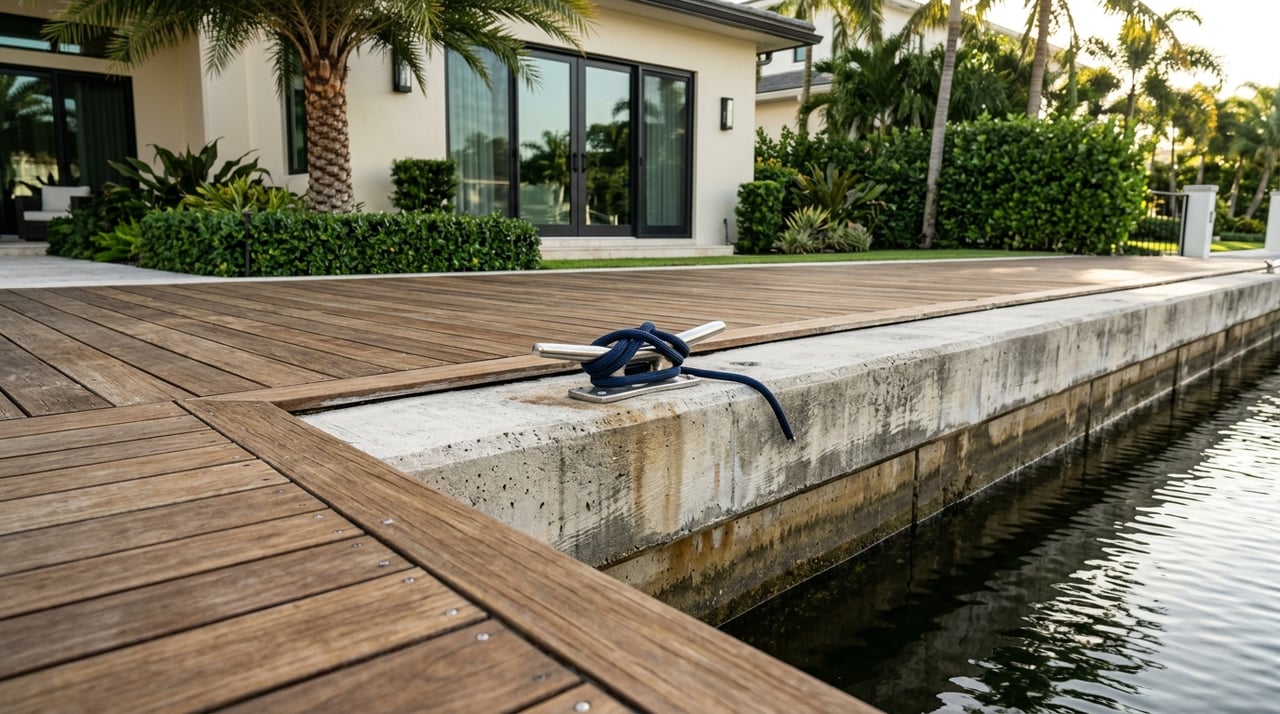
Safely Preparing to Sell Your Conners Waterfront Home
April 23, 2026
April 23, 2026
Selling a waterfront home in Conners can feel simple on the surface. You may have beautiful canal views, a dock, and strong buyer interest. But in this part of Collier County, a safe sale often depends less on staging and more on documentation. If you want to avoid surprises during inspections, underwriting, or contract review, it helps to prepare your property like a record-check project from the start. Let’s dive in.
For a Conners waterfront home, buyers often look beyond finishes and floor plans. They want clear answers about flood history, marine improvements, and whether past work was properly permitted.
That focus makes sense in Collier County. The county’s floodplain management resources note that floodplain review and site-plan inspections are part of development review, and FEMA’s Flood Map Service Center is the official public source for flood-hazard information. The county also notes that its current DFIRM became effective on 02/08/2024.
For you as a seller, that means preparation should start with paperwork. A buyer may love your home, but uncertainty around the seawall, dock, elevation data, or flood disclosures can slow a closing fast.
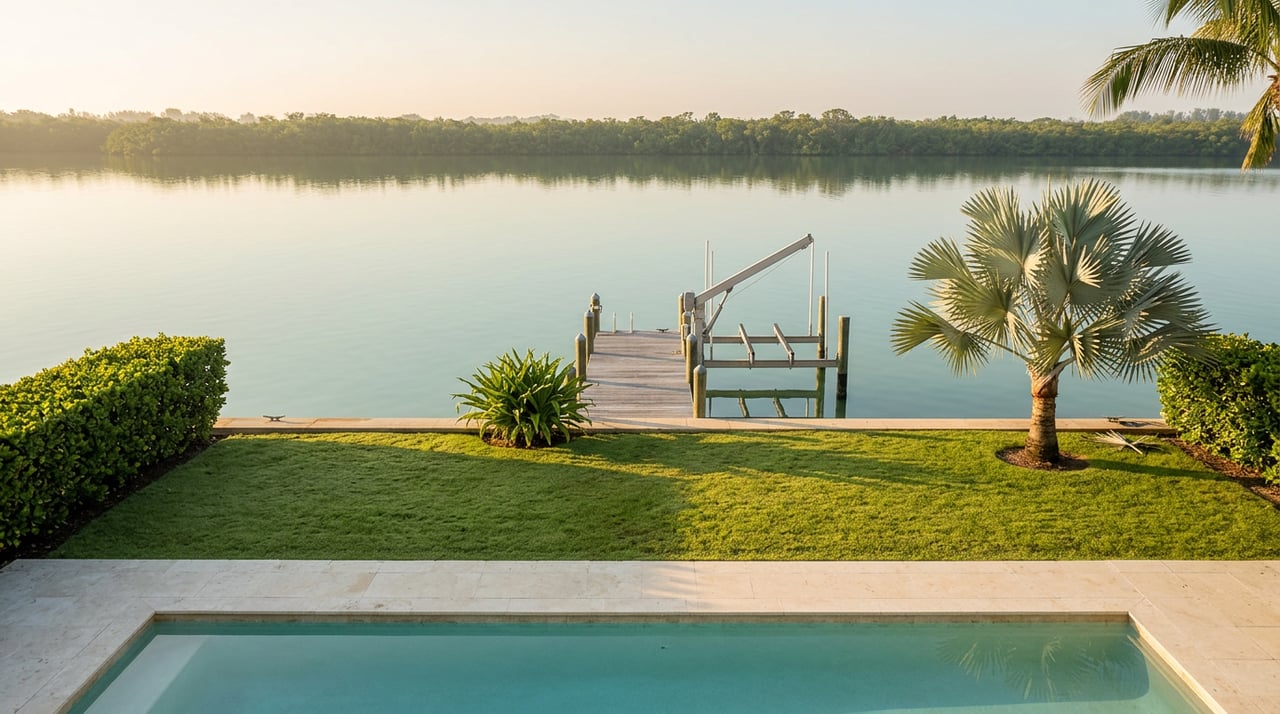
Waterfront features add value, but they also bring extra due diligence. Before your home goes live, it is smart to confirm that the seawall, dock, and boat lift match the property’s records and current as-built condition.
According to Collier County’s marine permit requirements, site plans for a dock, seawall, or boat lift must be signed and sealed by a registered architect, professional engineer, or surveyor. Those plans should also show canal width when applicable and include dock protrusions measured from the most restrictive point of the property line, bulkhead line, shoreline, seawall, rip-rap line, control elevation contour, or mean high water line.
That level of detail matters when your listing describes canal frontage or boating features. If marketing language goes further than the permit file or survey supports, buyers may raise concerns later.
Some sellers assume older marine work is too minor to matter. In reality, county guidance says that, in most cases, permits from the U.S. Army Corps of Engineers and the Florida Department of Environmental Protection are required before Collier County issues building permits for seawalls, rip rap, and boat docks.
The county’s building guidance for seawalls, rip rap, and boat docks makes clear that even work that seems small from a homeowner perspective can still involve federal permitting. If past improvements were done without a complete paper trail, that can become a closing issue.
On canal-front property, small measurement differences can create larger questions. Collier County’s dock setback clarification states that waterfront setback and protrusion measurements should be taken from the outer water side of the seawall or seawall cap.
That may sound technical, but it can affect whether a dock feature appears compliant on a narrow lot. If you are unsure, reviewing the survey and marine records before listing is far easier than answering encroachment questions mid-contract.
A current survey is one of the most useful tools in a waterfront sale. It helps support your listing details, confirms the location of marine improvements, and gives buyers more confidence in what they are purchasing.
For flood-related documentation, Collier County’s floodplain management page notes that if you want flood insurance or want to pursue a map-change request, an elevation certificate must be prepared by a Professional Surveyor and Mapper. The county also states that certified surveys are required for certain spot-survey conditions and that under-construction or finished-construction elevation certificates must come from a Florida-licensed surveyor or mapper.
If you already have an elevation certificate, keep it ready. If you do not, it may be worth discussing whether obtaining one before listing will help answer buyer questions more efficiently.
Flood-zone questions are common in any waterfront transaction, and buyers often ask early. They want to understand not only the property’s flood designation, but also how that may affect insurance, future repairs, and ownership costs.
Collier County’s 2026 flood protection newsletter says the county’s floodplain map includes zones VE, AE, Z, X500, and X, and confirms that the county’s DFIRM became effective on 02/08/2024. The newsletter also says the simplified map can be used to determine the approximate flood zone for an address, and county staff can provide flood-zone and base-flood information.
Just as important, Collier County explains that most homeowners policies do not cover flood losses and that flood insurance is a separate policy. The county also notes that NFIP coverage is available for most enclosed buildings and that a typical waiting period applies before coverage begins. If flood insurance is part of your buyer’s planning, timing matters.
Insurance questions are not just a buyer concern. They can shape financing, due diligence, and the pace of your transaction.
Collier County also notes in its newsletter that unincorporated Collier County is a FEMA Community Rating System Class 5 community, and eligible NFIP policies receive a 25 percent premium discount. That does not remove the need for careful review, but it does provide useful context when flood-insurance costs become part of the conversation.
One of the most important steps in preparing to sell safely is handling flood disclosures accurately. Florida law now requires a seller to provide a flood disclosure to the buyer at or before contract execution.
Under Florida Statute 689.302, the seller must disclose whether the property experienced flooding damage during the seller’s ownership, whether a flood-related insurance claim was filed, and whether flood-damage assistance was received. The form also reminds buyers that homeowners insurance does not cover flood damage.
This is an area where accuracy matters more than speed. If you gather your records early, the disclosure process becomes much easier and less stressful once an offer arrives.
Many sellers want to freshen a property before listing. That can be a smart move, but on waterfront homes in certain flood zones, larger repairs or improvements may trigger extra compliance issues.
Collier County’s flood protection newsletter explains that if a home in zones VE, AE, AH, or A does not meet the current flood elevation requirement, repairs or improvements equaling or exceeding 50 percent of the building’s market value can trigger elevation compliance. In practical terms, a renovation you view as routine may have bigger implications than expected.
Before starting substantial work, it is wise to review the scope, cost, and flood-zone context carefully. That can help you avoid spending money on improvements that complicate the sale.
Waterfront marketing should be appealing, but it also needs to be precise. The safest approach is to describe canal access, dock features, lift capacity, and seawall improvements only in ways your survey and permit record support.
That approach aligns with Collier County’s marine permit rules, which specifically call for canal width and protrusion measurements. When your listing language matches the property file, you reduce the risk of buyer objections tied to access, dimensions, or legal use.
A well-organized seller file can help your transaction move more smoothly. For a Conners waterfront home, that file should ideally include:
These documents align with Collier County’s survey and elevation guidance and Florida’s flood-disclosure requirements. They also help you answer buyer questions quickly and with confidence.
Most buyers considering a Conners waterfront home want answers to a similar set of questions. If you prepare for them in advance, your sale is more likely to feel steady and predictable.
Expect questions such as:
For higher-value waterfront transactions, these details often matter as much as price and presentation. That is one reason many sellers benefit from a team that combines premium marketing with strong transaction oversight.
A Conners waterfront sale often involves several moving parts at once. You may be balancing flood disclosures, marine permits, survey details, insurance questions, and pre-list repairs all in the same transaction.
That is why proactive review matters. At Gulf Coast Luxury Group, the goal is not just beautiful presentation. It is also a lower-friction sale supported by thoughtful preparation, precise marketing, and the added confidence of in-house legal oversight for complex waterfront transactions.
If you are preparing to sell a Conners waterfront home and want a concierge-level plan built around documentation, timing, and risk reduction, connect with Gulf Coast Luxury Group for a private consultation.
September 17, 2026
September 10, 2026
September 3, 2026
August 27, 2026
August 20, 2026

August 19, 2026
August 13, 2026
August 13, 2026
August 6, 2026
Your journey is not just about transactions; it’s about securing your future and protecting your interests, and we’re here to make that happen. Contact us today!